Pigmentation Treatment in Jongno & Myeongdong Pigmentation treatment, diagnosed first.
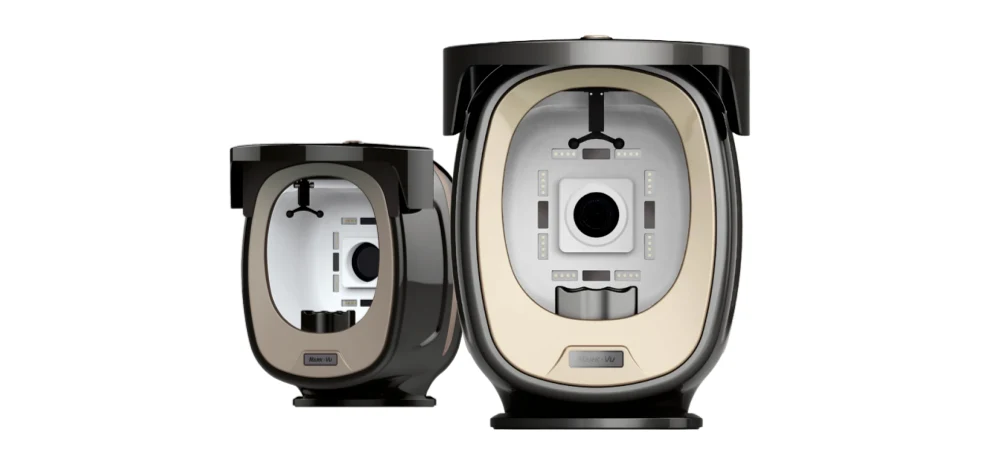
Pigmentation treatment fades unwanted brown patches — sun spots, age spots, freckles and melasma — using Pico laser, laser toning and supportive skincare. Because each type behaves differently, the diagnosis matters most. At Obliv Seoul Origin in Jongno, central Seoul, a physician identifies the pigment with Mark-Vu imaging before choosing treatment.
Pigmentation treatment at a glance
The essentials, answered plainly. Your physician confirms what applies to your skin at consultation.
Ask a physician- What it is
- Laser and supportive treatment for excess pigment — spots, freckles, melasma and uneven tone.
- Best for
- Sun spots, age spots, freckles, melasma and post-inflammatory marks.
- How it works
- Laser energy breaks pigment into tiny particles the body clears; toning uses low, even energy for diffuse pigment.
- Skin layer treated
- Epidermis for most spots; epidermis and upper dermis for melasma and deeper pigment.
- Treatment time
- Usually 10–20 minutes of laser, plus consultation.
- Downtime
- Toning: little or none. Spot treatment: small dark crusts for about 5–10 days.
- Results
- Discrete spots often fade after 1–2 sessions; melasma improves gradually and can return.
- Typical course
- 1–2 sessions for spots; often 5–10 toning sessions 1–2 weeks apart for melasma.
What type of pigmentation do I have?
Pigmentation is not one condition. Sun spots and age spots (solar lentigines) are flat, well-defined brown marks from cumulative sun exposure. Freckles (ephelides) are small, light-brown spots that darken in summer. Melasma is a patchy, often symmetrical brownness on the cheeks, forehead or upper lip, influenced by hormones, heat and light.
These can overlap on the same face, and some pigment sits deeper than it looks. Mark-Vu imaging shows surface and deeper pigment separately, which helps your physician decide what to treat, and how gently.
How is each type treated?
Matching the treatment to the pigment is what keeps results safe and lasting.
- Sun spots and age spots — targeted Pico laser, often 1–2 sessions
- Freckles — Pico laser spot treatment or toning; they may return with sun
- Melasma — gentle Pico or laser toning over many sessions, never aggressive resurfacing
- Post-inflammatory marks — gentle toning and time, with strict sun protection
- Diffuse dullness — toning combined with hydration care
In our Skin Architecture approach, most spots sit in the epidermis, while melasma can involve the epidermis and upper dermis. Depth guides the device and the energy used.
Why melasma needs a gentle approach
Melasma is easily irritated. Strong lasers, heat and inflammation can make it darker or trigger rebound pigmentation, especially in medium to darker skin tones. That is why it is treated with low-energy toning spread over many sessions, alongside daily sun protection and, where suitable, skincare prescribed or recommended by your physician.
Melasma can be improved and controlled, but not cured. It often returns with sun exposure, heat or hormonal change, so maintenance and consistent sun protection are part of the plan.
Recovery, aftercare and travel plans
After toning, mild redness usually settles within hours. After spot treatment, treated marks darken and form small crusts that flake away over about 5–10 days — leave them to fall off naturally. Use broad-spectrum sunscreen every day and avoid tanning.
If you are visiting Seoul, spot treatment is best early in your trip, and avoid beach or ski holidays straight afterwards. Melasma courses need repeat visits, so they suit residents or frequent visitors — ask on WhatsApp about spacing.
Treatment may be postponed with a recent tan or sunburn, pregnancy, active infection, a history of keloids, or recent isotretinoin use. Your physician will check this at consultation.
Spot pigment vs melasma — how treatment differs
| Sun spots / freckles | Melasma | |
|---|---|---|
| Appearance | Defined, separate brown spots | Patchy, often symmetrical areas |
| Main cause | Sun exposure, genetics | Hormones, sun, heat |
| Approach | Targeted Pico laser | Gentle low-energy toning |
| Typical sessions | 1–2 | Often 5–10 or more |
| Recurrence | New spots may form with sun | Common — needs maintenance |
Concerns pigmentation treatment is chosen for
From first message to follow-up.
Consultation, plan and aftercare are handled in English — whether you live in Seoul or are here for a few days.
Message us on WhatsApp with your concerns and travel dates. We reply with availability.
Mark-Vu imaging and a physician consultation identify which skin layer is involved.
A clear plan and pricing before anything begins — often on the same day when appropriate.
Written aftercare, and your records kept in our Skin Library for your next visit.
Not sure it is right for you?
Send a photo and a few lines about your concern. A physician-led team will tell you whether Pigmentation Treatment suits your skin — or what would suit it better.
Start a WhatsApp enquiry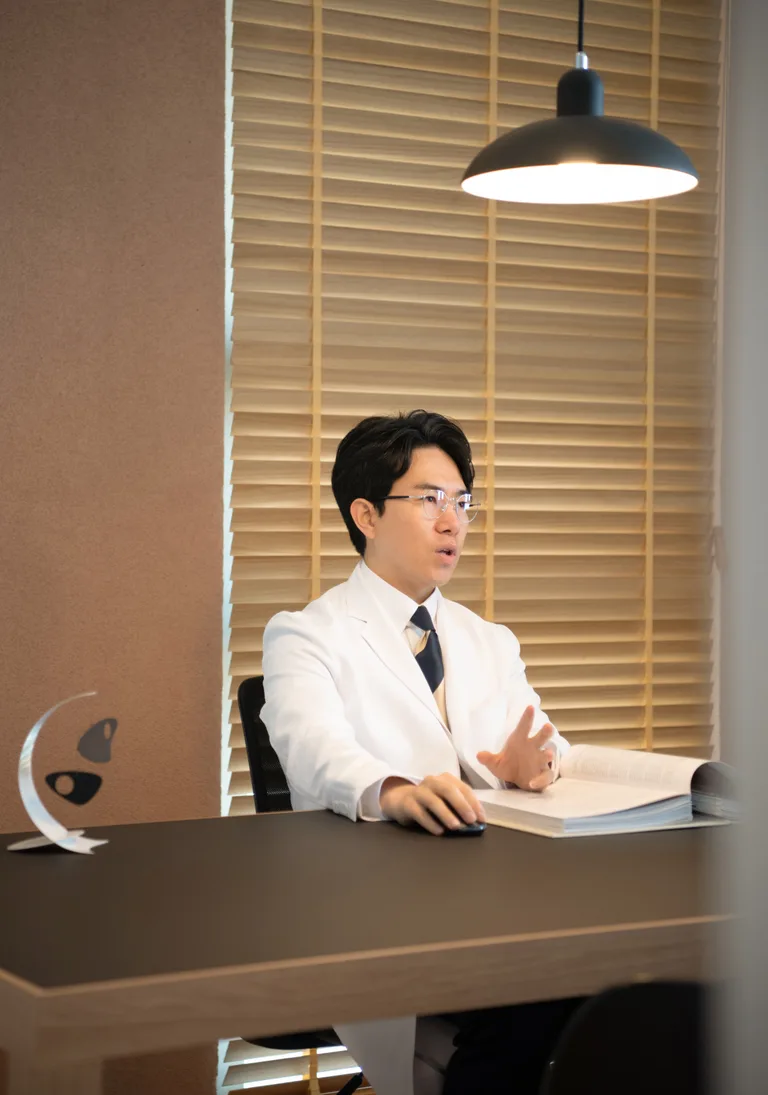

Pigmentation Treatment — asked & answered.
General information only. Your physician will advise on what is right for your skin.
Ask your own questionCan pigmentation be removed permanently?
Sun spots and freckles can usually be cleared well, but new ones can form with sun exposure. Melasma can be improved and controlled but tends to recur, so maintenance and sun protection matter.
Which laser is best for pigmentation?
It depends on the type. Pico laser suits defined spots and toning; melasma needs gentle, low-energy toning. Your physician chooses after Mark-Vu imaging.
Is there downtime?
Toning usually has little or none. Spot treatment leaves small dark crusts for about 5–10 days, which can be covered with make-up in many cases.
Can I fly after pigmentation laser?
Yes, flying is fine. Allow time for any crusts to clear before photos, and avoid strong sun on your trip — wear sunscreen and a hat.
Is it safe for darker skin tones?
Often, yes, with appropriate settings and a cautious approach, since darker skin has a higher risk of post-inflammatory pigmentation. Your physician will advise on suitability.
Where are you, and is English spoken?
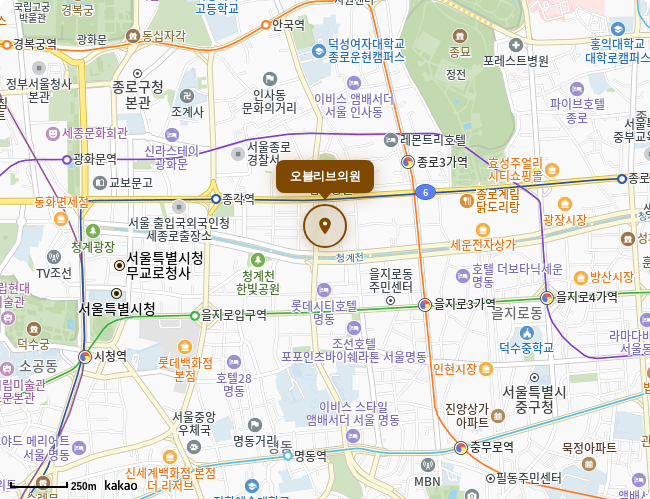
We are at Pagoda Tower, 93 Cheonggyecheon-ro, Jongno — a short walk from Myeongdong and Insadong. English is spoken, and you can enquire on WhatsApp.
Related treatments.
Pigmentation Laser
Laser chosen by pigment type — sun spots, freckles, melasma, marks and deeper pigment.
Read more → Tone · PigmentPico Toning
Gentle, repeated low-energy pico sessions for melasma, dullness and uneven tone.
Read more → Tone · PigmentPico Laser
Ultra-short picosecond pulses that break up pigment for spots, tone and tattoo ink.
Read more → Tone · PigmentSun Spot Removal
Sun spots and sun-induced unevenness treated with Pico laser or toning, matched by imaging.
Read more → Tone · PigmentFreckle Removal
Freckles lightened with Pico laser or toning — with honest advice on sun and recurrence.
Read more → Visiting usLaser Skin Clinic in Jongno
Pico, toning, CO2 and fractional lasers — chosen by a physician for your skin and stay.
Read more →Visit the maison.
Pagoda Tower, 1st–2nd floor
93 Cheonggyecheon-ro, Jongno-gu, Seoul
서울특별시 종로구 청계천로 93 파고다타워 1~2층
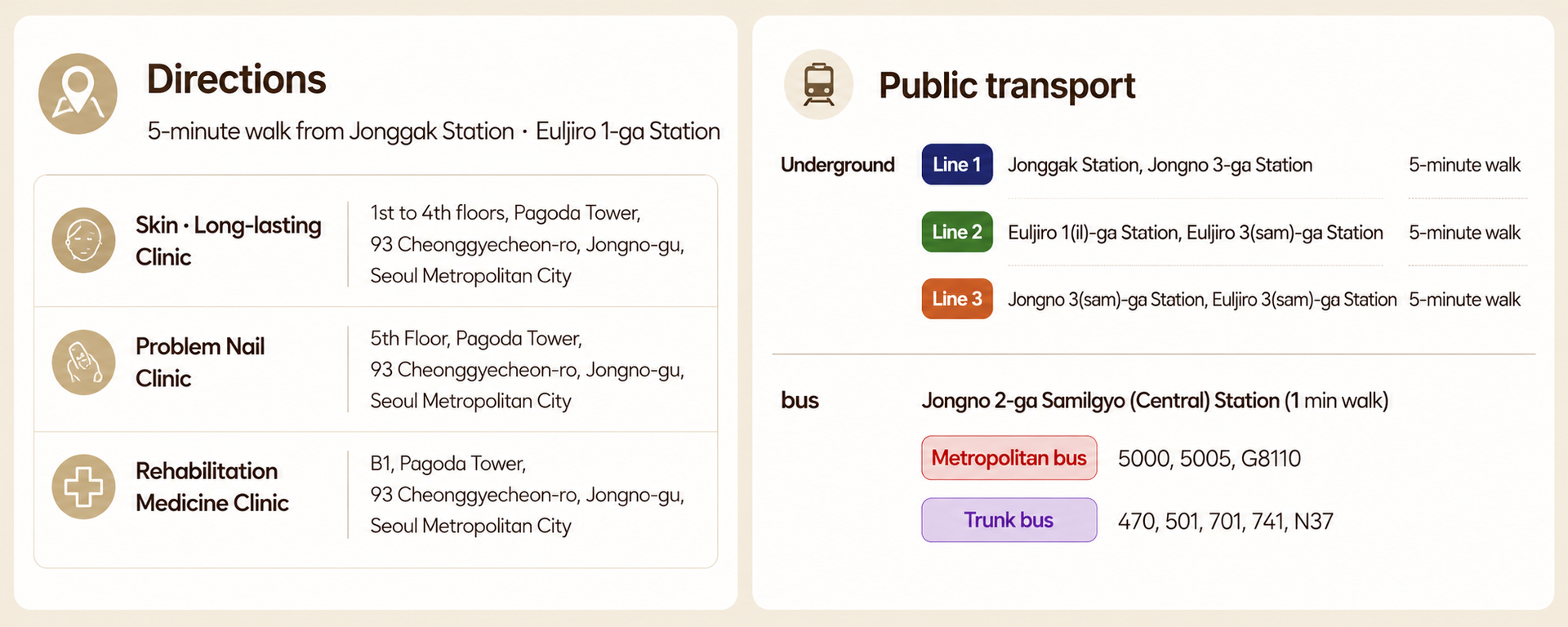
Line 2 — Euljiro 1-ga, Euljiro 3-ga
Line 3 — Jongno 3-ga, Euljiro 3-ga
Medical information on this page is for general education and does not replace an in-person consultation. Results, downtime and suitability vary between individuals; all treatments are performed only after physician assessment. Page reviewed by the Obliv Seoul Origin medical team.