Fractional Laser in Jongno & Myeongdong Fractional laser in Seoul, explained.
Fractional laser treats the skin in thousands of microscopic columns, leaving healthy skin between them so it heals faster while building new collagen. Ablative types such as fractional CO2 are stronger; non-ablative types are gentler. At Obliv Seoul Origin in Jongno, central Seoul, a physician chooses the type for your scars, pores or texture.
Fractional Laser, in brief.
The essentials, answered plainly. Your physician confirms what applies to your skin at consultation.
Ask a physician- What it is
- A resurfacing method that treats a fraction of the skin at a time in microscopic columns.
- Best for
- Acne scars, enlarged pores, rough texture, fine lines and sun-damaged skin.
- How it works
- Micro-injury columns trigger wound healing and collagen remodelling, while untreated skin speeds recovery.
- Ablative vs non-ablative
- Ablative (e.g. fractional CO2) removes tissue in each column; non-ablative heats tissue without removing the surface.
- Skin layer treated
- Epidermis into the dermis, with depth set by the device and settings.
- Treatment time
- About 20–45 minutes, plus 30–40 minutes of numbing cream.
- Downtime
- Non-ablative: redness and swelling for about 2–3 days. Ablative: redness and crusting for about 5–7 days.
- Typical course
- Usually 3–5 sessions about 4–8 weeks apart; results build over 3–6 months.
How does fractional laser work?
Instead of treating the whole surface at once, a fractional laser creates a grid of tiny treated columns, called microthermal zones. The untouched skin between them acts as a reservoir for fast healing.
As these columns heal, the skin produces new collagen and elastin , so texture, scars and pores gradually improve over the months after each session.
In our Skin Architecture approach, fractional laser works from the epidermis into the dermis. Concerns at deeper layers, such as laxity, may be better addressed with HIFU or RF.
Ablative or non-ablative fractional — what's the difference?
Ablative fractional lasers, such as fractional CO2, vaporise tissue in each column. They give a stronger result per session but come with about a week of redness and crusting.
Non-ablative fractional lasers, including Fraxel-type 1550/1927 nm devices, heat the tissue without breaking the surface. Downtime is shorter, but more sessions are usually needed. Which non-ablative device is used is confirmed at consultation.
- Deeper acne scars or marked texture: usually ablative
- Pores, mild texture, fine lines: either, depending on downtime
- Darker skin tones: often gentler settings to reduce pigment risk
- Limited time in Seoul: shorter-downtime options are easier to plan
What happens on the day?
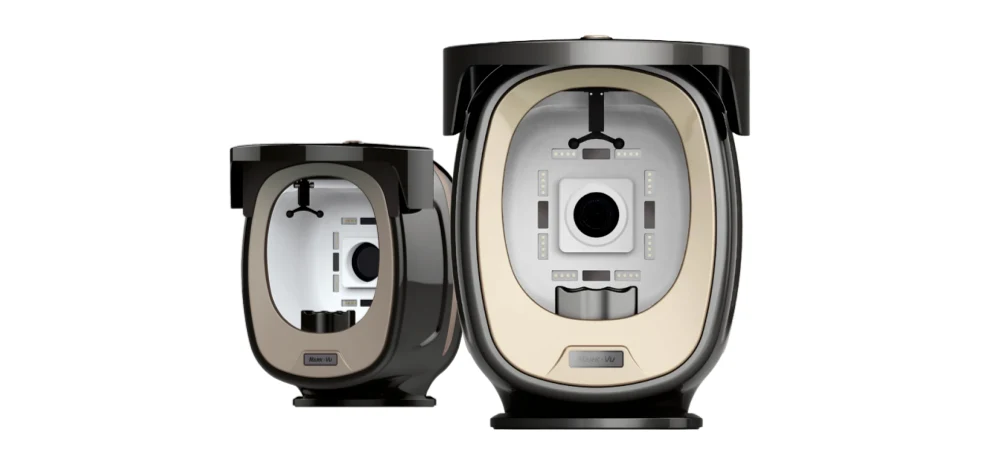
You meet a physician first, who reviews Mark-Vu imaging and agrees the type and depth of treatment with you. Numbing cream is applied before the laser.
- Consultation and Mark-Vu imaging with a physician
- Numbing cream (around 30–40 minutes)
- Fractional laser treatment (around 20–45 minutes)
- Cooling, healing care and written aftercare in English
- Settings recorded in the Skin Library for your next session
Recovery, sun protection and travel plans
Expect a sunburn-like feeling and redness for the first day or two, with a bronzed, sandpapery texture or fine crusting as skin renews. Keep the skin moisturised, avoid make-up until advised, and skip saunas and strenuous exercise for a few days.
Fresh skin burns and pigments easily, so strict sun protection is needed for several weeks. Darker skin types have a higher risk of post-inflammatory hyperpigmentation, which shapes the settings chosen. If you are staying in central Seoul for a short trip, plan treatment early so you have time to heal before flying.
Fractional laser is usually postponed during pregnancy, with active infection or cold sores, after recent tanning, within several months of isotretinoin, or with a tendency to keloid scarring. Your physician will check this at consultation.
Ablative vs non-ablative fractional laser
| Ablative (e.g. fractional CO2) | Non-ablative (e.g. Fraxel-type) | |
|---|---|---|
| Skin surface | Tissue removed in each column | Surface left intact |
| Strength per session | Stronger | Gentler |
| Downtime | Redness and crusting, about 5–7 days | Redness and swelling, about 2–3 days |
| Best for | Deeper scars, marked texture | Pores, mild texture, fine lines, tone |
| Typical course | 1–3+ sessions, 4–8 weeks apart | 3–5 sessions, about 4 weeks apart |
Concerns fractional laser is chosen for
From first message to follow-up.
Consultation, plan and aftercare are handled in English — whether you live in Seoul or are here for a few days.
Message us on WhatsApp with your concerns and travel dates. We reply with availability.
Mark-Vu imaging and a physician consultation identify which skin layer is involved.
A clear plan and pricing before anything begins — often on the same day when appropriate.
Written aftercare, and your records kept in our Skin Library for your next visit.
Not sure it is right for you?
Send a photo and a few lines about your concern. A physician-led team will tell you whether Fractional Laser suits your skin — or what would suit it better.
Start a WhatsApp enquiry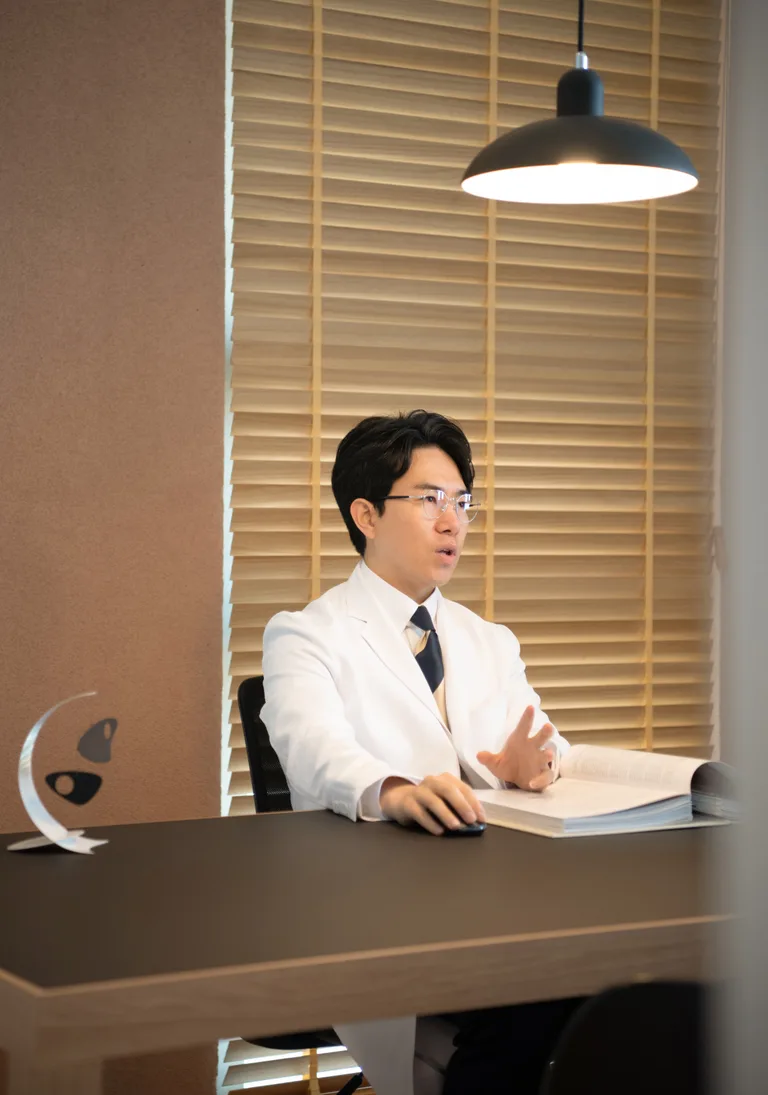

Fractional Laser — asked & answered.
General information only. Your physician will advise on what is right for your skin.
Ask your own questionWhat is the difference between fractional CO2 and Fraxel?
Fractional CO2 is ablative — it removes tissue in tiny columns and has about a week of downtime. Fraxel-type lasers are non-ablative, heating without breaking the surface, with shorter downtime but usually more sessions.
How many sessions will I need?
Usually 3–5 sessions spaced about 4–8 weeks apart. Ablative treatment may need fewer sessions; non-ablative usually needs more.
When will I see results?
Skin often looks smoother within a couple of weeks, but collagen remodelling continues for 3–6 months after each session.
Can I fly after fractional laser?
Yes, once healing is under way. Allow about 2–3 days after non-ablative and about a week after ablative treatment, and use sunscreen and moisturiser during the flight.
Is fractional laser safe for darker skin?
It can be, with conservative settings and careful aftercare. Darker skin has a higher risk of post-inflammatory hyperpigmentation, so your physician will tailor the plan.
How do I book?
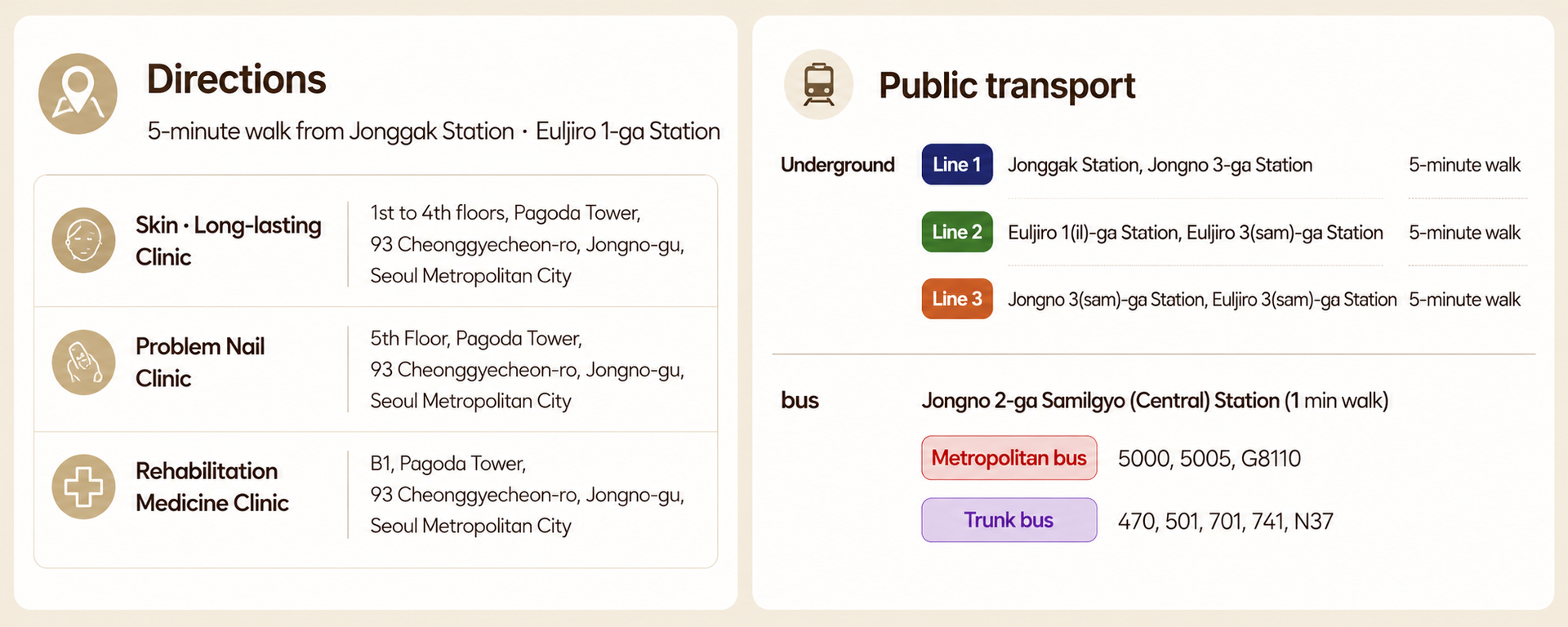
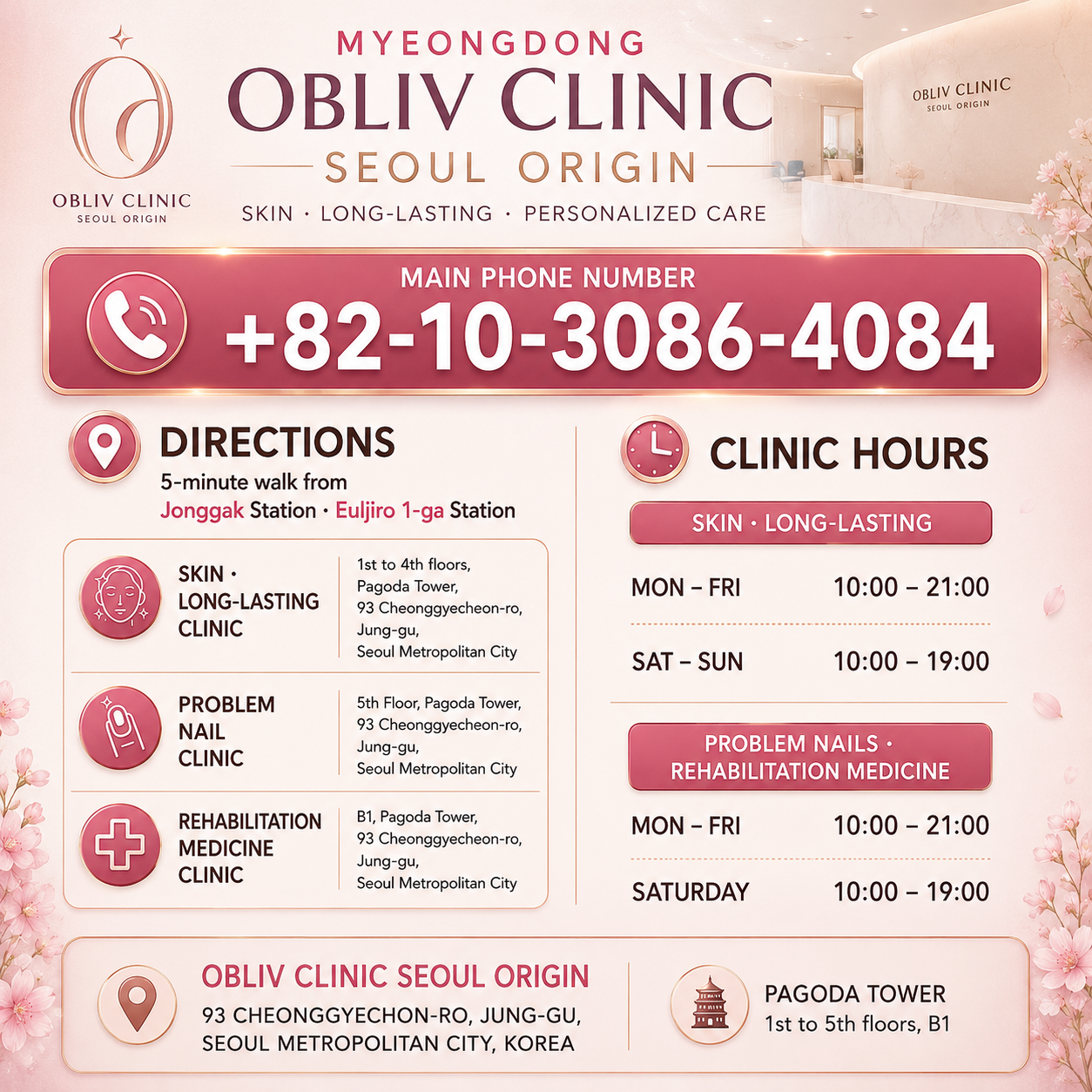
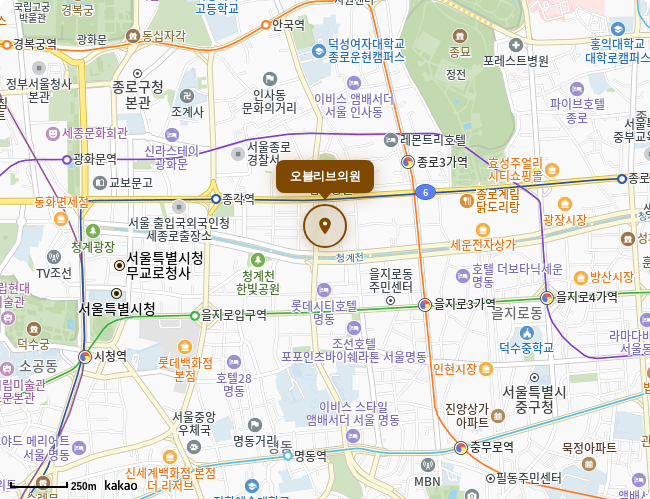
Message our international concierge on WhatsApp with your dates and concerns. The clinic is in Pagoda Tower, Jongno, about five minutes' walk from Jonggak and Jongno 3-ga stations.
Related treatments.
Fraxel Laser
Non-ablative fractional resurfacing for texture, pores, fine lines and sun-damaged tone.
Read more → Texture · ResurfacingCO2 Laser
Ablative laser for removing small growths and fractional resurfacing of scars and texture.
Read more → Texture · ResurfacingAcne Scar Laser
Fractional CO2 and Potenza microneedle RF, planned by scar type over a course.
Read more → Texture · ResurfacingPore Laser Treatment
Fractional laser, CO2 or Potenza microneedle RF to refine enlarged pores and texture.
Read more → Skin RenewalPore Treatment
Enlarged pores treated by cause — microneedle RF, laser or boosters, chosen from imaging.
Read more → Visiting usLaser Skin Clinic in Jongno
Pico, toning, CO2 and fractional lasers — chosen by a physician for your skin and stay.
Read more →Visit the maison.
Pagoda Tower, 1st–2nd floor
93 Cheonggyecheon-ro, Jongno-gu, Seoul
서울특별시 종로구 청계천로 93 파고다타워 1~2층
Line 2 — Euljiro 1-ga, Euljiro 3-ga
Line 3 — Jongno 3-ga, Euljiro 3-ga
Medical information on this page is for general education and does not replace an in-person consultation. Results, downtime and suitability vary between individuals; all treatments are performed only after physician assessment. Page reviewed by the Obliv Seoul Origin medical team.