Ultherapy in Jongno & Myeongdong Ultherapy in Seoul, explained.
Ultherapy is a non-surgical lifting treatment that uses micro-focused ultrasound, guided by real-time imaging, to heat precise points in the deep dermis and SMAS layer. It suits mild to moderate sagging along the jaw, cheeks, neck and brow. At Obliv Seoul Origin in Jongno, central Seoul, a physician plans every session.
Ultherapy, in brief.
The essentials, answered plainly. Your physician confirms what applies to your skin at consultation.
Ask a physician- What it is
- A micro-focused ultrasound (MFU-V) lifting device with built-in ultrasound imaging, made by Merz Aesthetics.
- Best for
- Early to moderate laxity — softening jawline, heavy lower face, loose neck skin, low brows.
- How it works
- Focused ultrasound heats tiny points to around 65–70°C, triggering contraction and new collagen over months.
- Skin layer treated
- Up to ~4.5 mm deep at the SMAS fascia, with shallower passes at ~3.0 mm and ~1.5 mm.
- Treatment time
- Roughly 60–90 minutes for a full face and neck; less for smaller areas.
- Comfort
- Deep pulses can feel hot and prickly, especially over bone; numbing and pain relief are offered.
- Results
- Some firmness early on; visible lift builds over 1–3 months, with final results around 3–6 months.
- Typical course
- Usually one session, often repeated about once a year as advised by your physician.
How does Ultherapy work?
Ultherapy delivers micro-focused ultrasound to precise depths beneath the skin. At each focal point, tissue is heated to around 65–70°C, creating tiny thermal points while leaving the surface intact. The body responds by tightening and gradually building new collagen.
What sets Ultherapy apart is its real-time imaging : the physician can see the skin, fat and fascia layers on screen and place energy at the intended depth rather than treating blind. At our clinic, Ultherapy is delivered on the current Ultherapy Prime platform.
In our Skin Architecture approach, Ultherapy is the device for the SMAS fascia — the layer a surgical facelift repositions. If your concern sits in the dermis instead, such as crepey texture, your physician may suggest RF or a collagen treatment alongside or instead.
Ultherapy or Thermage — which suits my skin?
Both are non-surgical lifting devices, but they work at different depths. Ultherapy focuses ultrasound into points as deep as the SMAS, so it is chosen for lift and contour. Thermage spreads radiofrequency heat across the dermis, so it is chosen for tightening and smoother skin texture.
Many people benefit from both, a few weeks apart. Your physician will look at where the laxity actually is — deep structure, skin quality, or both — before suggesting one or a combination.
What happens on the day?
Your visit starts with a physician consultation and Mark-Vu imaging. The treatment area is cleansed and mapped, and the physician then works section by section, checking the on-screen image before each line of pulses.
- Consultation and Mark-Vu imaging with a physician
- Treatment mapping and depth planning
- Numbing and comfort measures as needed
- Ultrasound-guided passes at deep and shallower depths
- Aftercare advice in English
- Your settings recorded in the Skin Library for next time
Recovery, aftercare and travel plans
Most people go straight back to normal plans. Mild redness and swelling are common for a few hours; some feel tenderness along the jaw for a few days, and small bruises or temporary numb patches occasionally occur.
Because there is little visible downtime, Ultherapy works well for visitors to Seoul — even a day or two before a flight. The clinic is a short walk from Myeongdong and Insadong, so it fits easily around sightseeing.
Ultherapy is not suitable during pregnancy, over open wounds or active infection, or directly over certain implants. Your physician will check your history at consultation.
Ultherapy vs Thermage
| Ultherapy | Thermage FLX | |
|---|---|---|
| Energy | Micro-focused ultrasound | Monopolar radiofrequency |
| Depth | Focal points up to ~4.5 mm (SMAS) | Broad dermal heating, ~3.0 mm |
| Main effect | Lift and contour | Tightening and skin texture |
| Guidance | Real-time ultrasound imaging | Automatic energy tuning |
| Results last | Typically ~12–18 months | Typically ~6–12 months |
Concerns Ultherapy is chosen for
From first message to follow-up.
Consultation, plan and aftercare are handled in English — whether you live in Seoul or are here for a few days.
Message us on WhatsApp with your concerns and travel dates. We reply with availability.
Mark-Vu imaging and a physician consultation identify which skin layer is involved.
A clear plan and pricing before anything begins — often on the same day when appropriate.
Written aftercare, and your records kept in our Skin Library for your next visit.
Not sure it is right for you?
Send a photo and a few lines about your concern. A physician-led team will tell you whether Ultherapy suits your skin — or what would suit it better.
Start a WhatsApp enquiry

Ultherapy — asked & answered.
General information only. Your physician will advise on what is right for your skin.
Ask your own questionHow many Ultherapy sessions do I need?
Usually one. Collagen keeps building for several months, and many people repeat the treatment about once a year to maintain results.
Does Ultherapy hurt?
It can be uncomfortable, mainly the deeper pulses over bony areas. We offer numbing and comfort measures, and the physician can adjust the plan as you go.
When will I see results?
Some feel a subtle firmness early, but visible lift usually develops over 1–3 months, with the final result at around 3–6 months.
Can I fly after Ultherapy?
Yes — there are no flight restrictions. Any redness or swelling is usually mild and short-lived, so a session even a day or two before departure is generally fine.
Is Ultherapy the same as HIFU?
Ultherapy is one type of HIFU, distinguished by its built-in ultrasound imaging. Other HIFU devices, such as Coolsonic or Oligio HIFU, work on a similar principle without the same live visualisation.
Where is the clinic and do you speak English?
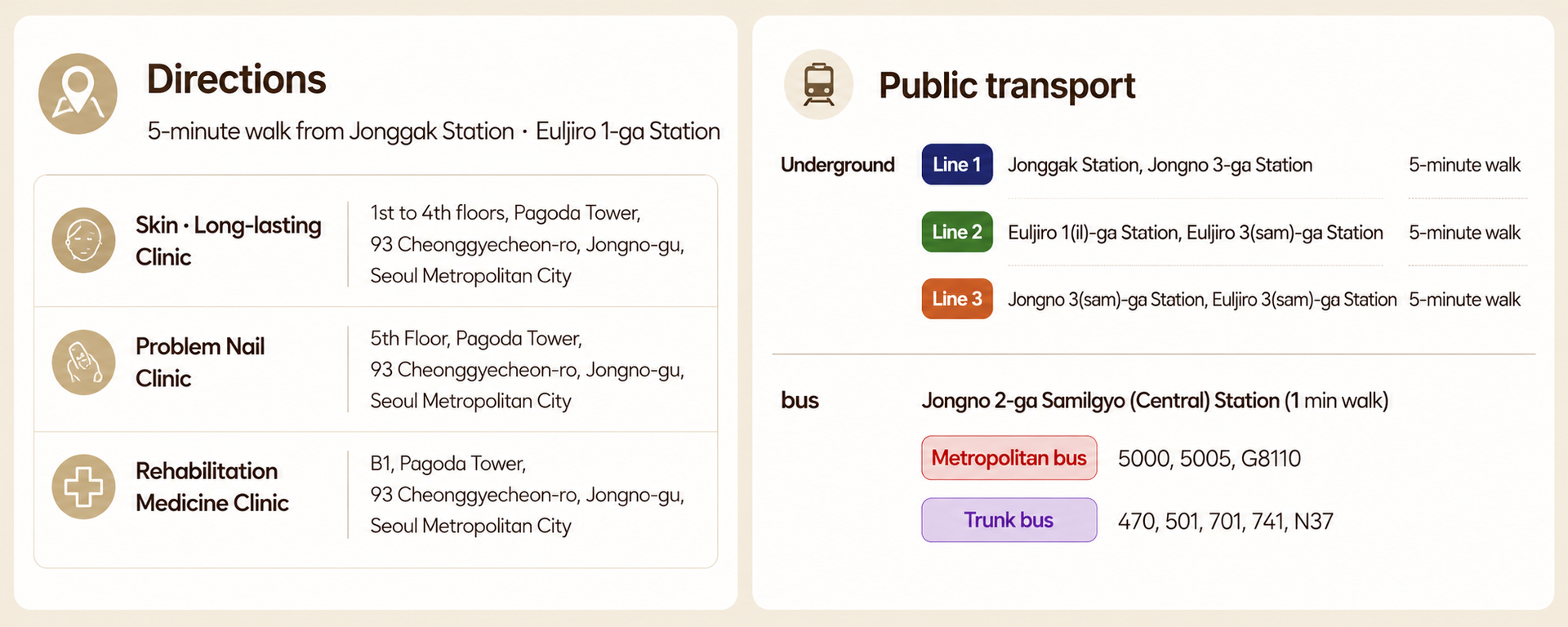
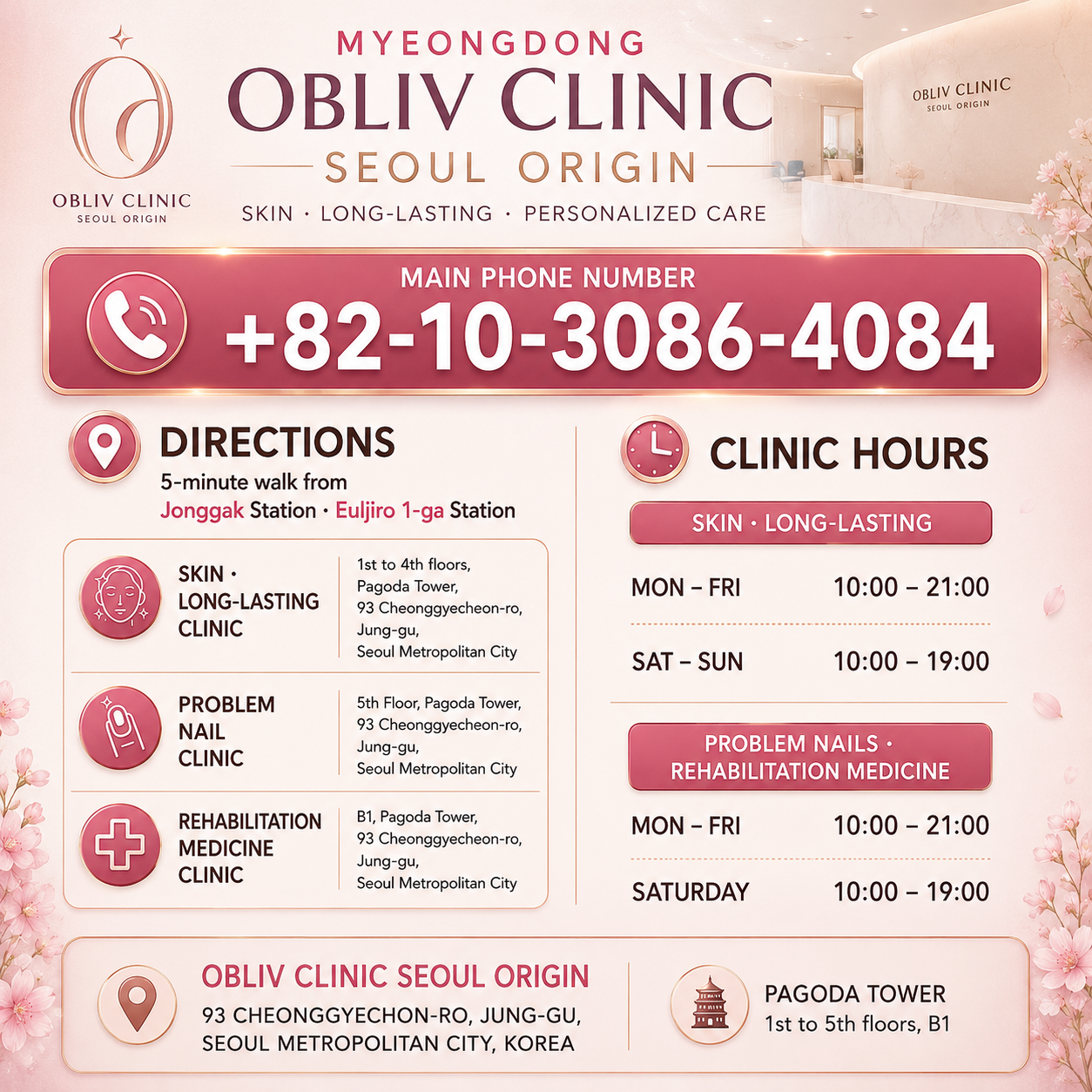
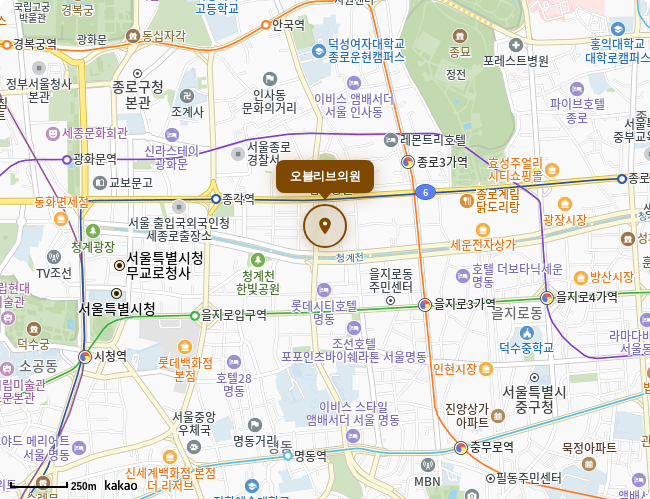
We are in Pagoda Tower, 93 Cheonggyecheon-ro, Jongno — about five minutes' walk from Jonggak and Jongno 3-ga stations. Consultations are supported in English and you can enquire on WhatsApp.
Related treatments.
Ultherapy Prime
The current Ultherapy platform — imaging-guided ultrasound lifting at SMAS depth.
Read more → Contour · LiftingThermage FLX
Current-generation Thermage with AccuREP tuning for even, consistent RF tightening.
Read more → Contour · LiftingSofwave
Parallel-beam ultrasound at mid-dermis depth for fine lines, firmness and skin quality.
Read more → Contour · LiftingNon-Surgical Face Lifting
HIFU, RF and microwave lifting compared — matched to the layer where sagging begins.
Read more → Collagen BoostCollagen Stimulator
Injectables that prompt your own collagen — gradual firmness, density and natural volume.
Read more → Visiting usAnti-Aging Clinic in Jongno
Ageing happens in layers. We diagnose which ones, then treat each at its own depth.
Read more →Visit the maison.
Pagoda Tower, 1st–2nd floor
93 Cheonggyecheon-ro, Jongno-gu, Seoul
서울특별시 종로구 청계천로 93 파고다타워 1~2층
Line 2 — Euljiro 1-ga, Euljiro 3-ga
Line 3 — Jongno 3-ga, Euljiro 3-ga
Medical information on this page is for general education and does not replace an in-person consultation. Results, downtime and suitability vary between individuals; all treatments are performed only after physician assessment. Page reviewed by the Obliv Seoul Origin medical team.