PRP Skin Treatment in Jongno & Myeongdong PRP skin treatment in Seoul, explained.
PRP skin treatment uses platelet-rich plasma prepared from a small sample of your own blood. Its growth factors are applied by injection or with microneedling to support skin renewal — improving texture, fine lines, dullness and post-acne marks gradually. At Obliv Seoul Origin in Jongno, central Seoul, a physician decides whether PRP suits your skin.
PRP Skin Treatment, in brief.
The essentials, answered plainly. Your physician confirms what applies to your skin at consultation.
Ask a physician- What it is
- Platelet-rich plasma — a concentrate of platelets separated from your own blood in a centrifuge.
- Best for
- Dull or tired skin, fine lines, rough texture, mild acne scarring and under-eye skin quality.
- How it works
- Platelets release growth factors that support the skin's natural repair and collagen production.
- Skin layer treated
- Epidermis to mid dermis, depending on whether it is injected or used with microneedling.
- Treatment time
- Around 45–60 minutes including blood draw, preparation and numbing.
- Downtime
- Redness and mild swelling for 1–3 days; pinpoint bruising or marks are possible.
- Results
- Gradual — skin quality typically improves over 4–12 weeks after a course.
- Typical course
- Usually 3 sessions, about 4 weeks apart, as advised by your physician.
How does PRP work on the skin?
A small amount of blood is taken from your arm and spun in a centrifuge to separate the platelet-rich plasma. Platelets carry growth factors that play a role in the body's own healing processes.
Placed back into the skin — by fine injections or alongside microneedling — PRP is intended to support renewal and collagen production. Because it comes from your own blood, allergic reactions to the plasma itself are not expected.
Evidence for PRP in skin rejuvenation is encouraging but varies between studies, and results differ between individuals. Your physician will be clear about what it can and cannot do for your skin.
PRP or exosome — what's the difference?
Both aim to support skin repair with signalling molecules. PRP is autologous — made from your own blood on the day. Exosome treatments use prepared products containing extracellular vesicles, so no blood draw is needed.
Some people prefer PRP because it uses their own biology; others prefer exosomes for convenience. Your physician will discuss which suits your skin and your schedule.
What happens on the day?
Your visit begins with a physician consultation. If PRP is suitable, a small blood sample is taken and prepared while numbing cream works on your skin.
- Physician consultation and Mark-Vu skin imaging
- Small blood sample taken from the arm
- Plasma prepared in a centrifuge
- Numbing cream applied (around 30 minutes)
- PRP placed by injection or with microneedling
- Soothing care, English aftercare and Skin Library record
Recovery, aftercare and travel plans
Expect redness and mild swelling for one to three days, and possibly small bruises at injection points or the blood-draw site. Avoid make-up for around 24 hours if microneedling is used, and skip saunas, alcohol and intense exercise for a couple of days.
If you are visiting Seoul, plan PRP early in your stay and leave 2–3 days before a flight or event. Use gentle skincare and daily sunscreen while the skin settles.
PRP is not suitable with some blood or platelet disorders, active skin infection, certain cancers, during pregnancy, or while taking some anticoagulant medicines. Your physician will review your medical history first.
PRP vs exosome skin treatment
| PRP | Exosome | |
|---|---|---|
| Source | Your own blood, prepared on the day | Prepared product, no blood draw |
| Main role | Growth factors to support renewal | Signalling vesicles to support repair |
| Visit length | Longer — includes blood draw | Shorter |
| Typical delivery | Injection or microneedling | Usually with microneedling or after laser |
| Typical course | About 3 sessions, 4 weeks apart | Several sessions, as advised |
Concerns PRP is chosen for
From first message to follow-up.
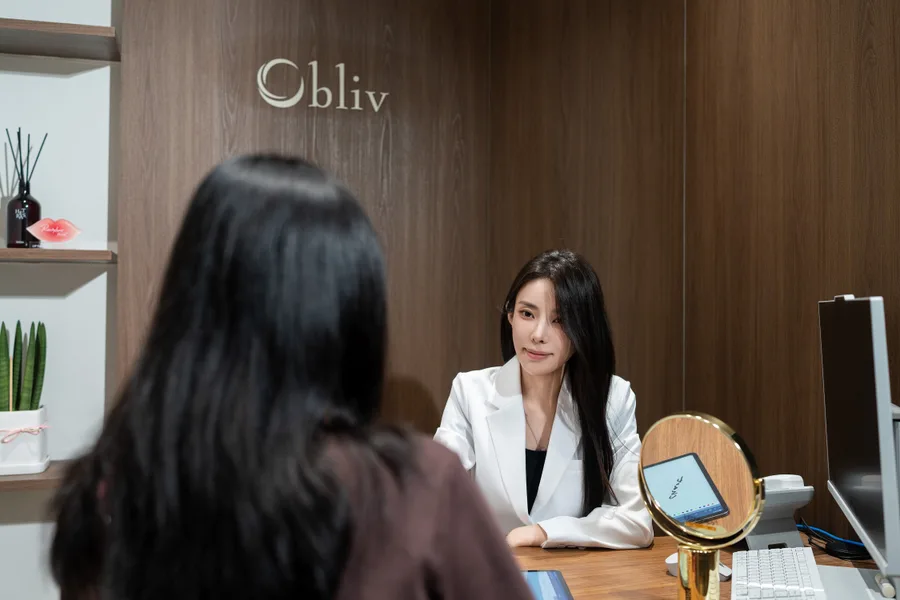
Consultation, plan and aftercare are handled in English — whether you live in Seoul or are here for a few days.
Message us on WhatsApp with your concerns and travel dates. We reply with availability.
Mark-Vu imaging and a physician consultation identify which skin layer is involved.
A clear plan and pricing before anything begins — often on the same day when appropriate.
Written aftercare, and your records kept in our Skin Library for your next visit.
Not sure it is right for you?
Send a photo and a few lines about your concern. A physician-led team will tell you whether PRP Skin Treatment suits your skin — or what would suit it better.
Start a WhatsApp enquiry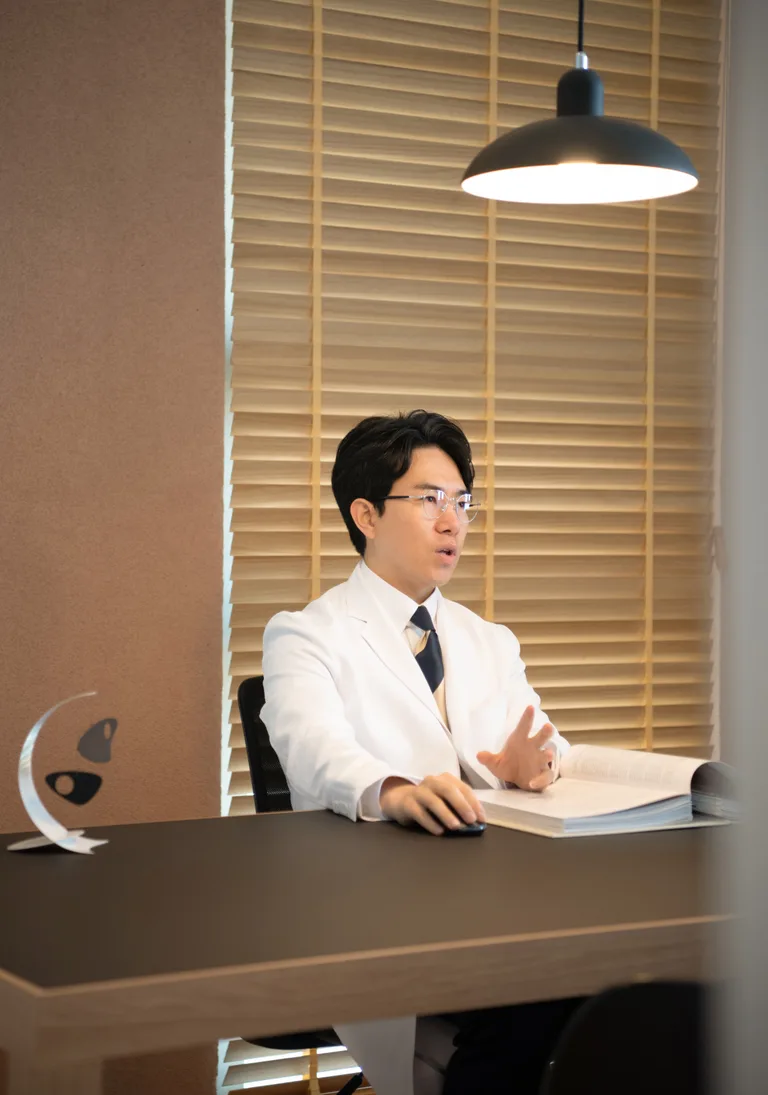

PRP Skin Treatment — asked & answered.
General information only. Your physician will advise on what is right for your skin.
Ask your own questionHow many PRP sessions will I need?
Usually around 3 sessions, about 4 weeks apart. Your physician may recommend maintenance sessions afterwards depending on your response.
Does PRP hurt?
The blood draw feels like a routine blood test. Numbing cream is applied before the skin treatment, so most people find it manageable.
Is PRP safe because it uses my own blood?
Using your own plasma means allergy to it is not expected, but it is still a medical procedure with risks such as bruising and, rarely, infection. A physician checks your suitability first.
Can I fly after PRP?
Yes — flying does not affect the treatment. Allowing 2–3 days before a flight lets redness and any small bruises settle.
When will I see results?
Some people notice a fresher look within a couple of weeks. Texture and fine-line improvement usually builds over 4–12 weeks after a course.
Can I book a same-day appointment?
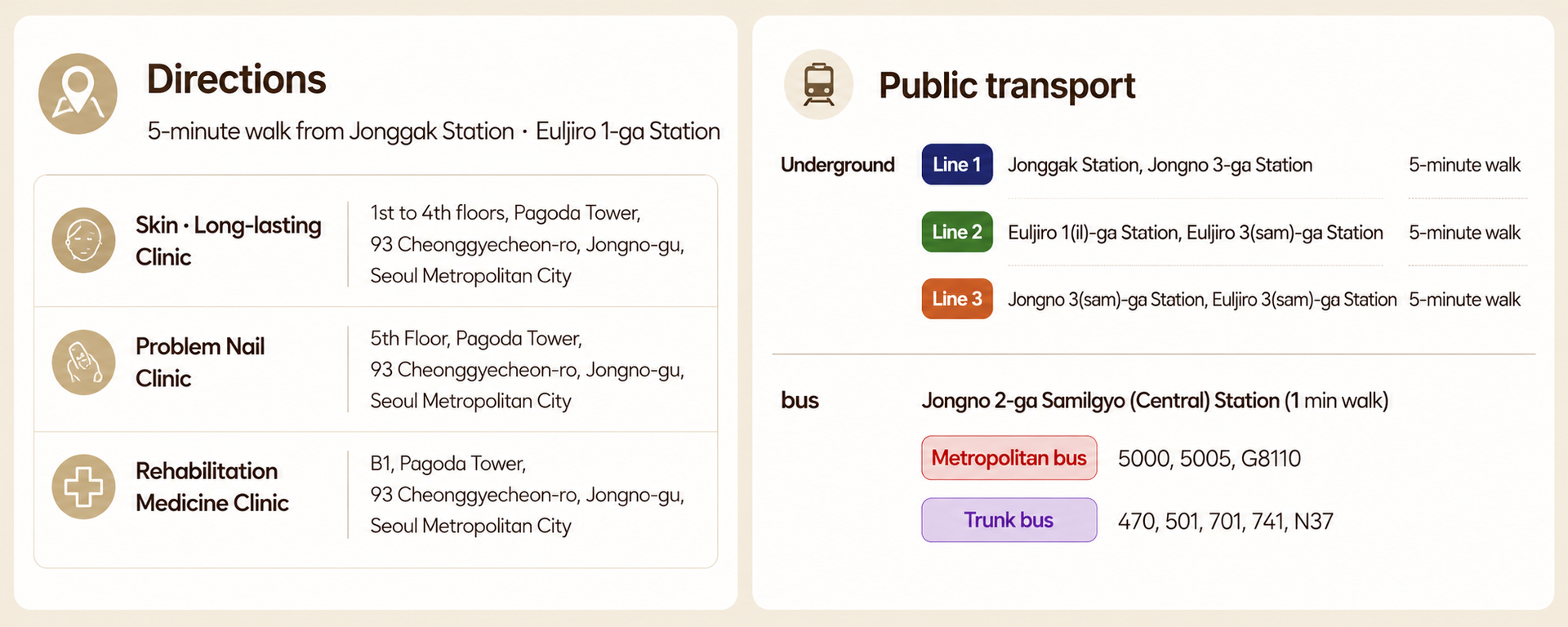
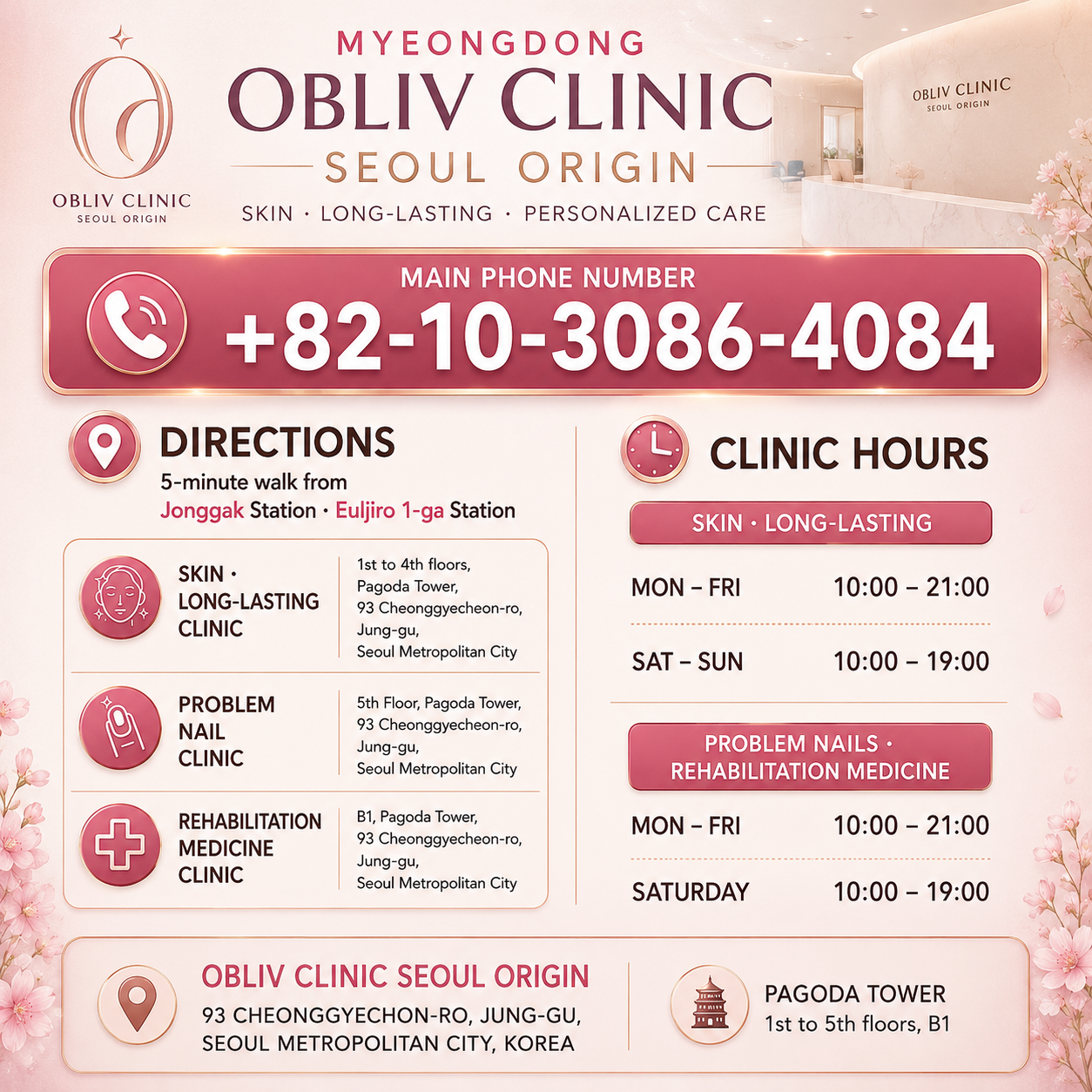
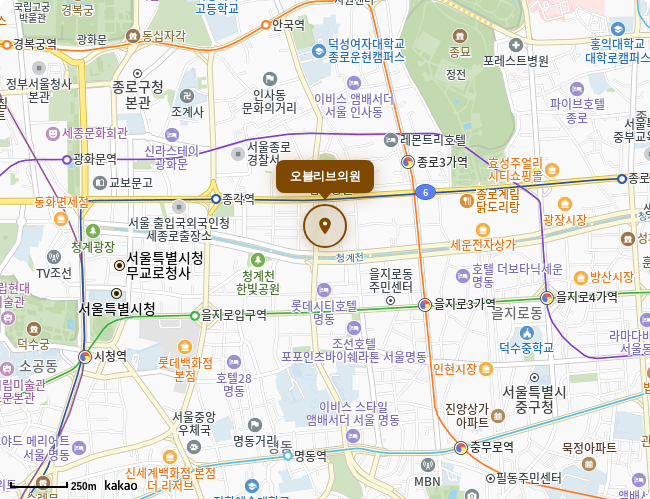
Same-day treatment may be possible depending on availability and physician assessment. Message us on WhatsApp; we are in Jongno, about five minutes' walk from Jonggak and Jongno 3-ga stations.
Related treatments.
Stem Cell Skin Treatment
Stem-cell-derived growth factors with microneedling to support skin repair and glow.
Read more → Collagen BoostRejuran
Polynucleotide injections that help skin repair itself — texture, firmness, glow.
Read more → Collagen BoostSkin Booster
Fine injections of hydrating and skin-supporting ingredients for dewy, even skin.
Read more → Skin RenewalExosome
Exosome serum applied after resurfacing to help skin settle and recover more comfortably.
Read more → Texture · ResurfacingFractional Laser
Microscopic laser columns that resurface scars, pores, texture and fine lines.
Read more → Visiting usSame-Day Skin Treatment
Consultation and treatment in one visit, when suitable — planned around your flight.
Read more →Visit the maison.
Pagoda Tower, 1st–2nd floor
93 Cheonggyecheon-ro, Jongno-gu, Seoul
서울특별시 종로구 청계천로 93 파고다타워 1~2층
Line 2 — Euljiro 1-ga, Euljiro 3-ga
Line 3 — Jongno 3-ga, Euljiro 3-ga
Medical information on this page is for general education and does not replace an in-person consultation. Results, downtime and suitability vary between individuals; all treatments are performed only after physician assessment. Page reviewed by the Obliv Seoul Origin medical team.