Facial Redness Laser in Jongno & Myeongdong Facial redness laser in Seoul, calmed.
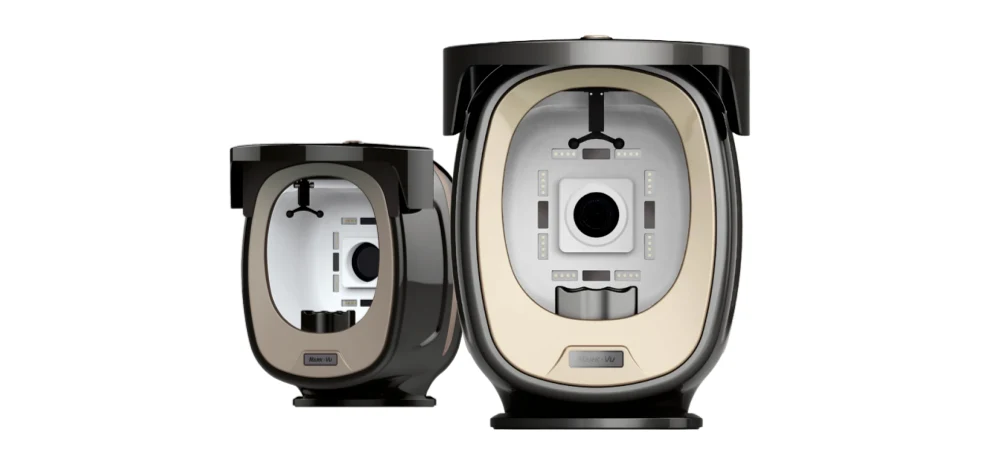
Facial redness laser treatment uses vascular laser or light-based energy absorbed by haemoglobin to reduce persistent redness, broken capillaries and red post-acne marks. It usually takes a short course of sessions. At Obliv Seoul Origin in Jongno, central Seoul, a physician maps your redness with Mark-Vu imaging and chooses the option at consultation.
Facial Redness Laser, in brief.
The essentials, answered plainly. Your physician confirms what applies to your skin at consultation.
Ask a physician- What it is
- Laser or light-based treatment that targets blood vessels in the skin to reduce visible redness.
- Best for
- Diffuse redness, broken capillaries (telangiectasia), red post-acne marks and rosacea-related redness.
- How it works
- Energy absorbed by haemoglobin gently heats small vessels so they fade, while surrounding skin is protected.
- Skin layer treated
- Upper dermis, where the small vessels that cause visible redness sit.
- Options
- The specific laser or light device is chosen by your physician at consultation, based on your redness pattern.
- Downtime
- Flushing and mild swelling for 1–3 days; occasional temporary bruising or crusting.
- Results
- Redness usually decreases gradually with each session.
- Typical course
- Usually 3–5 sessions about 3–4 weeks apart, with maintenance for chronic redness.
What causes facial redness?
Persistent redness usually comes from small dilated blood vessels near the surface. Common causes include rosacea, sun damage, a sensitive or impaired skin barrier, red marks left by acne, and genetics.
Mark-Vu imaging shows redness that is hard to judge in normal light, helping your physician tell vascular redness from irritation or pigment, which need different care.
In our Skin Architecture approach, redness is treated at the upper dermis. If your barrier is irritated, your physician may calm the skin first before any laser.
How is redness treated?
Vascular lasers and intense pulsed light (IPL) work by targeting haemoglobin in the blood vessels. Which option suits you depends on whether redness is diffuse or concentrated in visible capillaries, and on your skin type.
Your physician will explain the option recommended for you and its expected downtime at consultation. Redness is often part of a wider plan that includes barrier care and, for rosacea, medical management.
- Diffuse background redness and flushing
- Broken capillaries around the nose and cheeks
- Red post-acne marks (post-inflammatory erythema)
- Redness with sun damage and uneven tone
- Rosacea-related redness, alongside medical care
What happens on the day?
You meet a physician first, who reviews your skin, triggers and any medicines. The treatment itself feels like quick warm snaps; cooling is used to keep it comfortable.
- Consultation and Mark-Vu redness imaging with a physician
- Cleansing and eye protection
- Laser or light treatment (around 15–30 minutes)
- Cooling, soothing care and sunscreen
- Session recorded in the Skin Library
Aftercare, triggers and travel
Skin may look flushed or slightly swollen for 1–3 days, and small capillaries can briefly look darker before they fade. Avoid hot showers, saunas, alcohol, spicy food and intense exercise for a few days, since these can increase flushing.
Use a gentle moisturiser and broad-spectrum sunscreen daily. Darker skin types carry a higher risk of post-inflammatory hyperpigmentation with light-based treatment, so suitability and settings are judged carefully. If you are visiting Seoul, allow a few days before a flight or event.
Redness treatment is usually postponed during pregnancy, with active infection, after recent tanning, or while taking light-sensitising medicines or isotretinoin. Your physician will check this at consultation.
Redness vs pigment — why the approach differs
| Redness (vascular) | Brown pigment | |
|---|---|---|
| Target | Haemoglobin in small vessels | Melanin in skin cells |
| Typical approach | Vascular laser or IPL, chosen at consultation | Pico laser or toning |
| Common triggers | Heat, alcohol, sun, irritation | Sun, hormones, inflammation |
| Downtime | Flushing for 1–3 days | Hours to about a week |
| Typical course | 3–5 sessions, 3–4 weeks apart | 1–10 sessions by type |
Concerns redness laser is chosen for
From first message to follow-up.
Consultation, plan and aftercare are handled in English — whether you live in Seoul or are here for a few days.
Message us on WhatsApp with your concerns and travel dates. We reply with availability.
Mark-Vu imaging and a physician consultation identify which skin layer is involved.
A clear plan and pricing before anything begins — often on the same day when appropriate.
Written aftercare, and your records kept in our Skin Library for your next visit.
Not sure it is right for you?
Send a photo and a few lines about your concern. A physician-led team will tell you whether Facial Redness Laser suits your skin — or what would suit it better.
Start a WhatsApp enquiry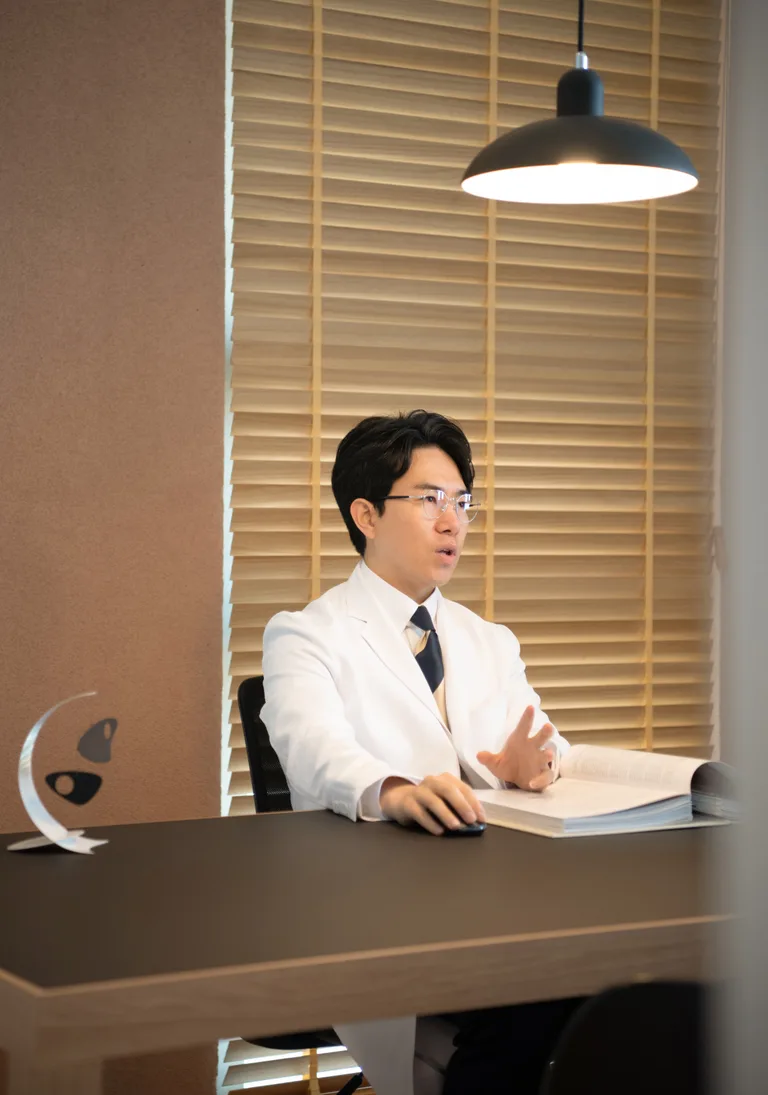

Facial Redness Laser — asked & answered.
General information only. Your physician will advise on what is right for your skin.
Ask your own questionWhich laser do you use for redness?
The specific laser or light device is chosen by your physician at consultation, based on your redness pattern and skin type. Please ask on WhatsApp if you would like to discuss options before visiting.
How many sessions will I need?
Usually 3–5 sessions about 3–4 weeks apart. Chronic conditions such as rosacea often need occasional maintenance.
Can laser cure rosacea?
No — rosacea is a long-term condition. Laser can reduce visible redness and vessels, and works best alongside medical treatment and trigger management.
Can I fly after redness treatment?
Yes, but allow a few days for flushing or swelling to settle. Cabin air is dry, so keep moisturising and use sunscreen on the journey.
Does it help red acne marks?
Often, yes. Red post-acne marks are vascular, so they can respond to redness-targeting treatment, while brown marks need a pigment approach.
Where are you located?
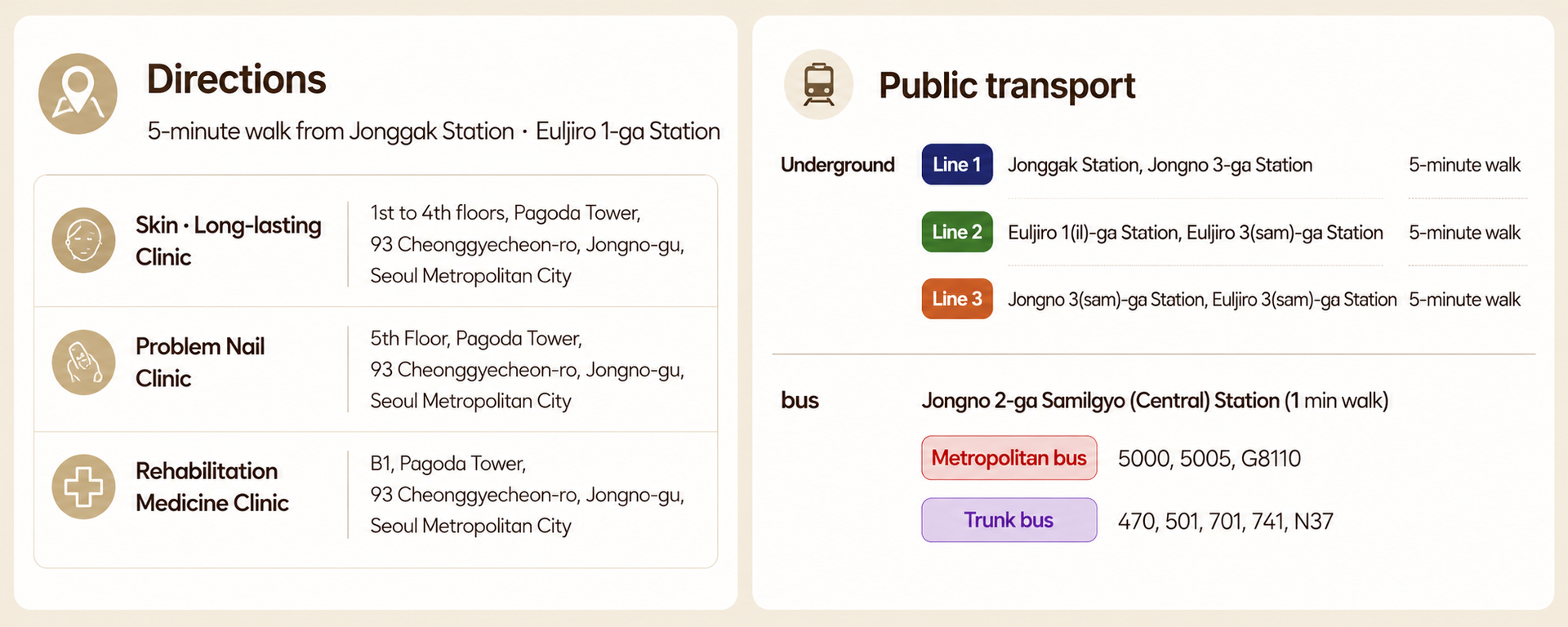
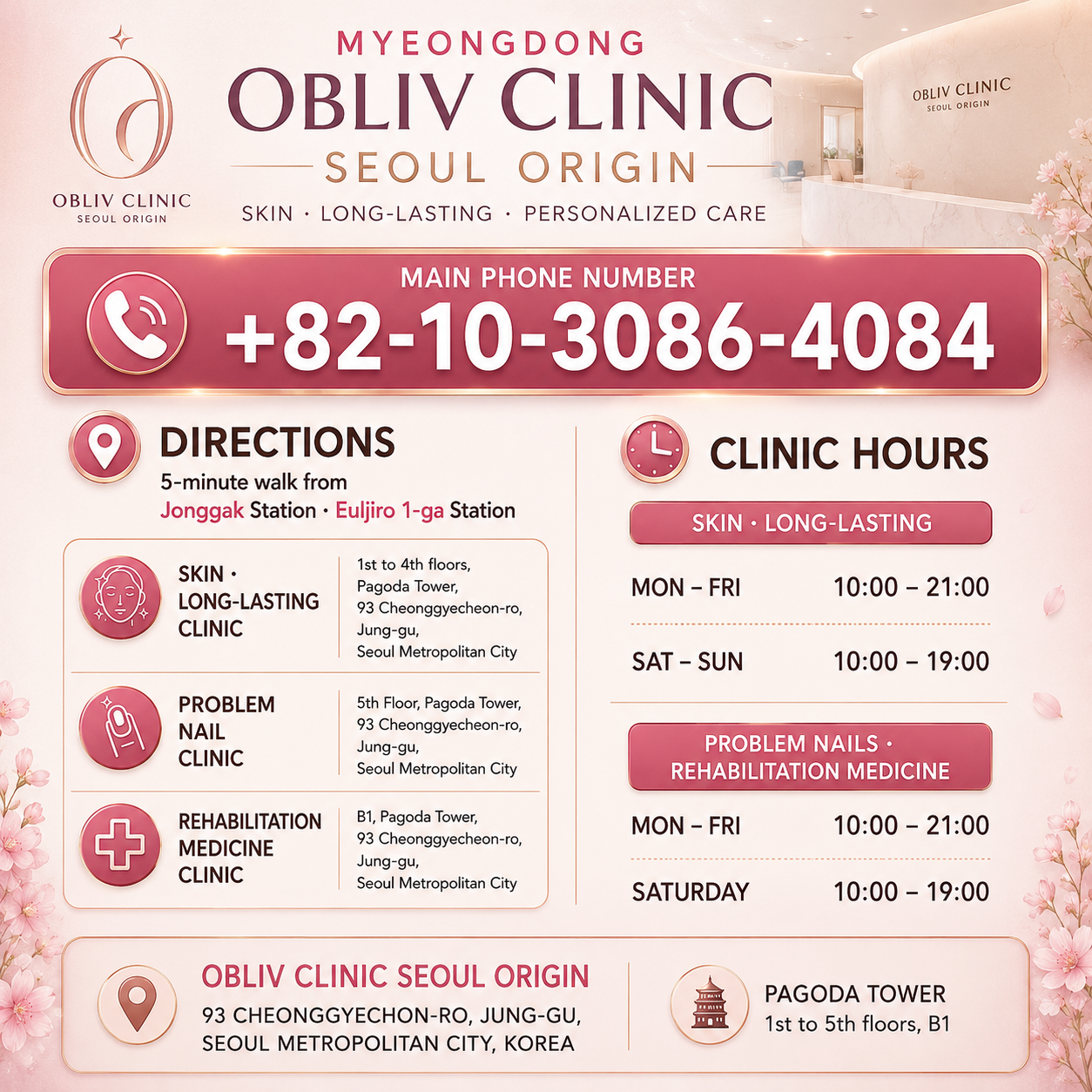
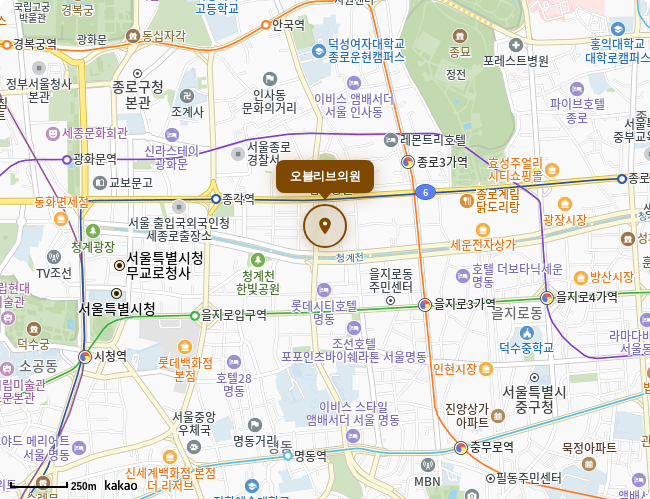
Pagoda Tower, 93 Cheonggyecheon-ro, Jongno — around five minutes' walk from Jonggak and Jongno 3-ga stations, and an easy walk from Insadong and Myeongdong.
Related treatments.
Pigmentation Laser
Laser chosen by pigment type — sun spots, freckles, melasma, marks and deeper pigment.
Read more → Tone · PigmentPico Toning
Gentle, repeated low-energy pico sessions for melasma, dullness and uneven tone.
Read more → Tone · PigmentLaser Toning
Low-energy Q-switched Nd:YAG sessions that gradually even tone and soften melasma.
Read more → Texture · ResurfacingAcne Scar Laser
Fractional CO2 and Potenza microneedle RF, planned by scar type over a course.
Read more → Tone · PigmentPigmentation Treatment
Spots, freckles and melasma diagnosed first, then treated with Pico laser or gentle toning.
Read more → Visiting usLaser Skin Clinic in Jongno
Pico, toning, CO2 and fractional lasers — chosen by a physician for your skin and stay.
Read more →Visit the maison.
Pagoda Tower, 1st–2nd floor
93 Cheonggyecheon-ro, Jongno-gu, Seoul
서울특별시 종로구 청계천로 93 파고다타워 1~2층
Line 2 — Euljiro 1-ga, Euljiro 3-ga
Line 3 — Jongno 3-ga, Euljiro 3-ga
Medical information on this page is for general education and does not replace an in-person consultation. Results, downtime and suitability vary between individuals; all treatments are performed only after physician assessment. Page reviewed by the Obliv Seoul Origin medical team.